

- Ressourcenschonend: Holz- und Bambusbesteck werden aus nachwachsenden Rohstoffen ohne Erdöl hergestellt.
- Spürbar nachhaltig: Nachhaltige Einweg-Produkte aus Holz oder Bambus macht den Nachhaltigkeitsanspruch Ihres Gastro-Betriebs sichtbar. Das wissen Ihre Gäste zu schätzen.
- Ohne gesundheitsschädliche Substanzen: Einwegbesteck aus Holz und Bambus enthält keine schädlichen Chemikalien oder Toxine, die in Plastikbesteck durchaus vorkommen können.
- Weniger CO2-Emissionen: Nachhaltige Einweg-Artikel aus Holz oder Bambus erfordern in der Herstellung meist deutlich weniger Energie als Plastikbesteck. Damit sinkt auch die Menge an freigesetztem Kohlendioxid im Zuge der Produktion. Insofern schützt nachhaltiges Einwegbesteck auch das Klima und trägt zum Erhalt des Planeten bei.
- Weniger Plastikmüll: Herkömmliches Einwegbesteck aus Plastik stellt ein globales Umweltrisiko dar. Immerhin dauert es Jahrhunderte, bis das fossile Material abgebaut ist. Zudem landen jedes Jahr große Mengen Plastikmüll in der Umwelt, wo sie Meere und Landschaften verschmutzen. Nachhaltiges Einwegbesteck aus Holz oder Bambus ist hingegen biologisch abbaubar und kann recycelt werden.
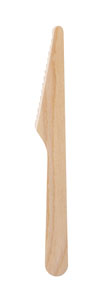
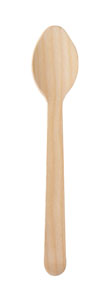
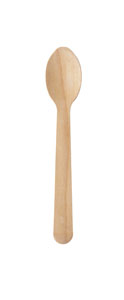
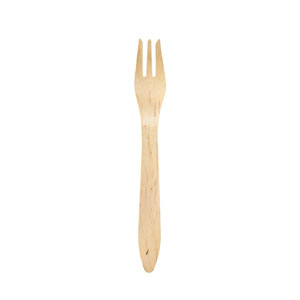
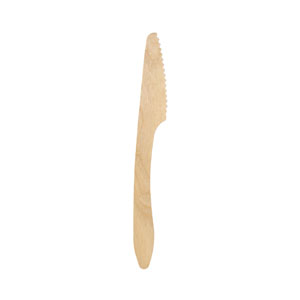
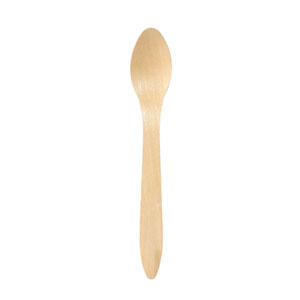

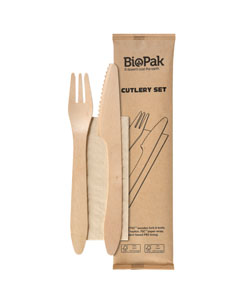
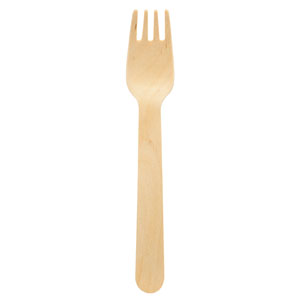
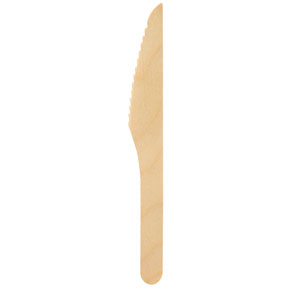
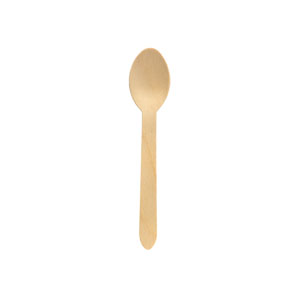
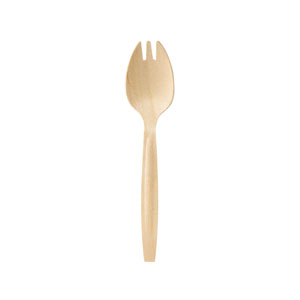
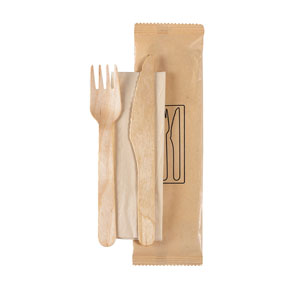
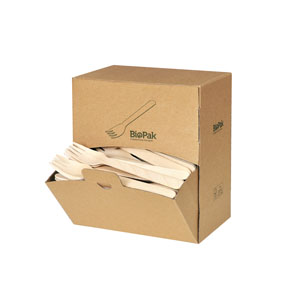
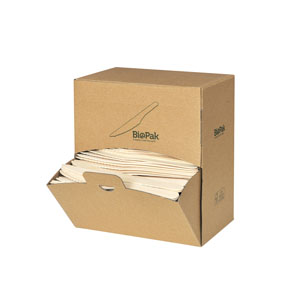
Für welche Gastronomie-Anbieter eignet sich nachhaltiges Einwegbesteck?
Nachhaltiges Einwegbesteck ist eine hervorragende Wahl für Gastronomen, die umweltbewusst handeln und ihren Gästen eine umweltfreundliche Alternative zu herkömmlichem Plastikbesteck anbieten möchten. Der ökologische Impact von nachhaltigen Messern, Gabeln und Löffeln wird dort besonders deutlich, wo viel Einwegbesteck in kurzer Zeit verwendet wird – zum Beispiel auf Veranstaltungen im Freien wie Festivals, Märkte, Konzerte oder Sportveranstaltungen.
Aber auch im regulären Betrieb können Imbissstände, Catering-Unternehmen und andere Anbieter von Takeaway und Delivery vom grünen Besteck profitieren: Es ist praktisch, hygienisch und umweltfreundlich zugleich.
Warum gefährdet Einwegbesteck aus Kunststoff die Umwelt?
Einwegbesteck aus Kunststoff stellt ein großes Problem für die Umwelt dar. Das liegt vor allem daran, dass sich Messer, Gabeln und Löffel nicht biologisch abbauen lassen und für die Zersetzung hunderte von Jahren benötigen. Ein weiteres Problem liegt in der Herstellung: Hierfür braucht es fossile Rohstoffe, vor allem Erdöl, dessen Förderung wiederum große Mengen an schädlichen Treibhausgasen freisetzt und den Klimawandel beschleunigt.
Einwegprodukte aus Kunststoff bedrohen auch die Tierwelt. Von Europa aus werden große Mengen Plastikmüll ins Ausland exportiert, wo die Umweltschutz-Standards oftmals niedriger ausfallen als hierzulande. Bei unsachgemäßer Entsorgung sammelt sich das Plastik in den Ozeanen, wo es häufig von Meerestieren gefressen wird – mit teils lebensbedrohlichen Folgen für die Tiere. Mit ihrer Entscheidung für umweltfreundliches Einwegbesteck können Gastronomen einen wertvollen Beitrag zum Schutz von Mensch, Tier und Klima leisten.
Was ist besser: Einwegbesteck aus Kunststoff oder Holz?
Im Vergleich zu Einwegbesteck aus Kunststoff ist Holzbesteck eine deutlich umweltfreundlichere Option. Denn Plastikbesteck ist nicht biologisch abbaubar und braucht mehrere Jahrhunderte bis zur Zersetzung. In derselben Zeit zerfällt Holz bereits auf natürlichem Wege. Zudem wird Holzbesteck aus nachwachsenden Rohstoffen hergestellt, während Plastikmesser, -gabeln und -löffel auf Erdöl basieren. Darüber hinaus erfordert die Herstellung von Holzbesteck weniger Energie, was sich nochmals positiv auf seine Umweltbilanz auswirkt.
Ebenfalls nicht zu unterschätzen: Besteck aus Holz hat eine natürliche Ausstrahlung und ist dabei vollkommen geschmacks- und geruchsneutral. Ihre Kundschaft nimmt den Nachhaltigkeitsbonus wahr, ohne beim Genuss ihrer Speisen Abstriche machen zu müssen.


