
Information livraison: En raison du déménagement de notre entrepôt, des retards peuvent survenir. En savoir plus.
- Experts en solution pour la restauration
- Innovations et designs primés
- Animé par le développement durable
- Service à la clientèle : +41 41 798 01 71
Serviettes, nappes, lampes à LED et bougies pour l’automne
- Page d'accueil
- Alternatives to plastic packaging
Alternatives to plastic packaging
We present five organic materials: environmentally friendly solutions for takeaway, delivery, and grab-and-go. We offer restaurants, retailers, and businesses a way to avoid plastic waste in everyday life and reduce their carbon footprint. That is why our plastic alternatives are carbon neutral—throughout their entire life cycle.
The end of plastic packaging
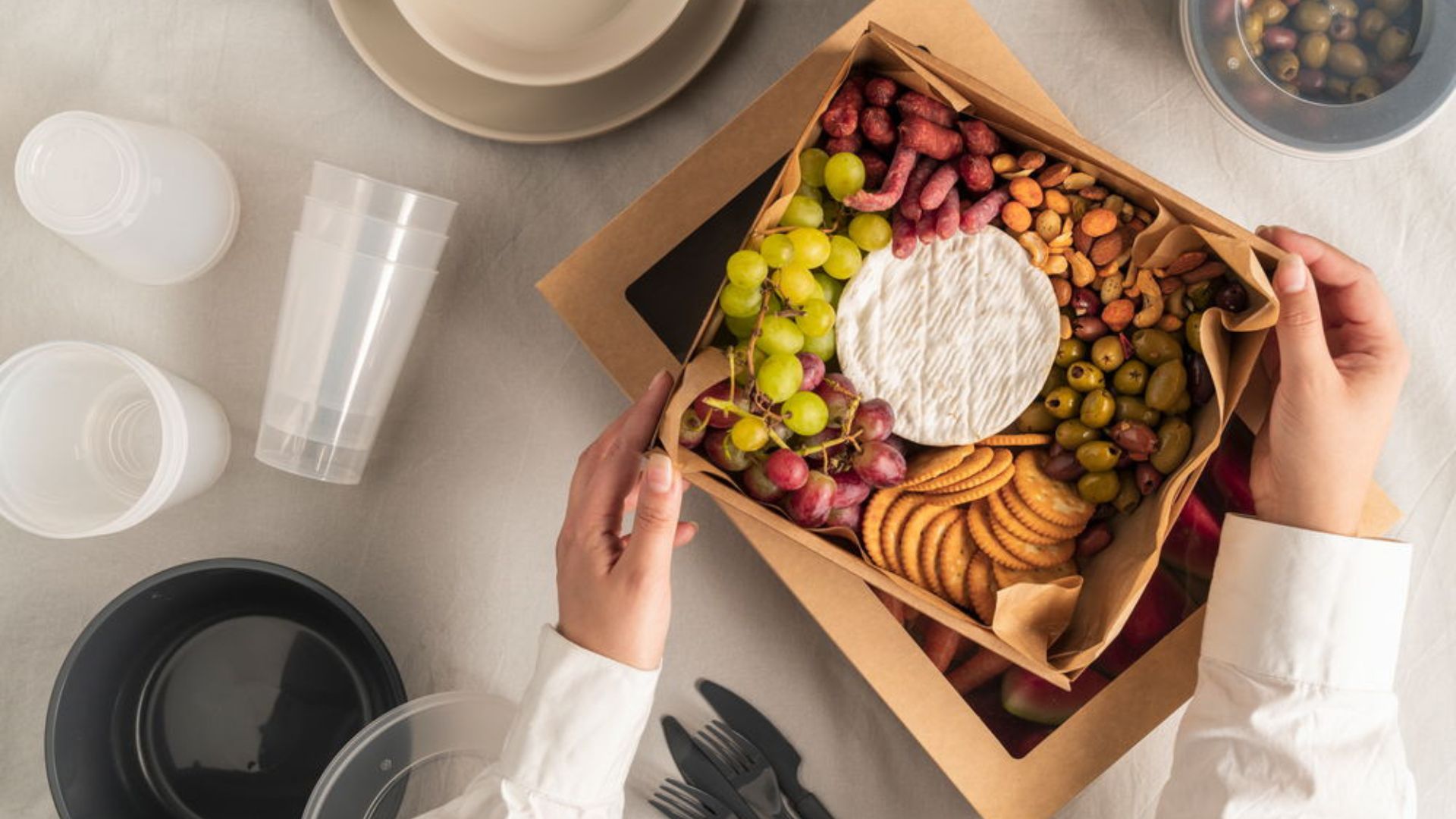
Cardboard
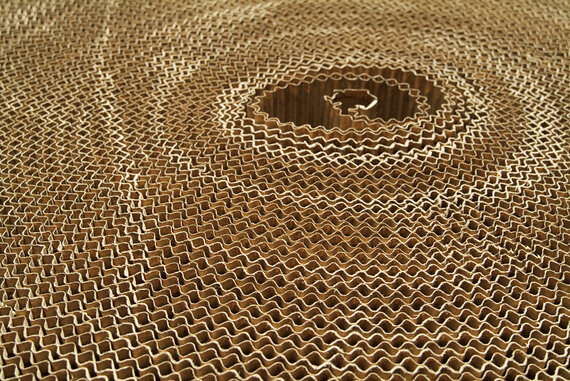
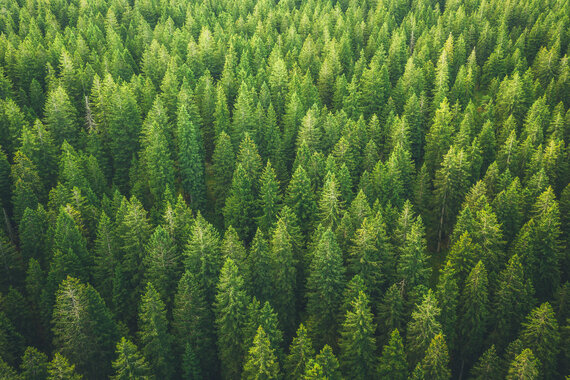
Renewable, versatile and eminently recyclable: It is not for nothing that cardboard is becoming increasingly popular as a green plastic alternative. As a material for boxes, bowls, cups and plates, cardboard has several advantages to offer. As a domestic and renewable raw material, cardboard significantly reduces your CO2 emissions. In addition, we at BioPak take special care to use natural raw materials from controlled sources: The FSC® certificate on our cartonboard products guarantees you that the raw materials come from forests managed in an environmentally, socially and economically responsible way - thus ruling out overexploitation and exploitation when purchasing.
Where take-away and catering used to rely on aluminium and plastic containers, sustainable boxes and trays made of cardboard are the obvious choice in today's everyday gastronomy. But the cost factor is also interesting for take-away providers; after all, recycled cardboard is relatively inexpensive to purchase.
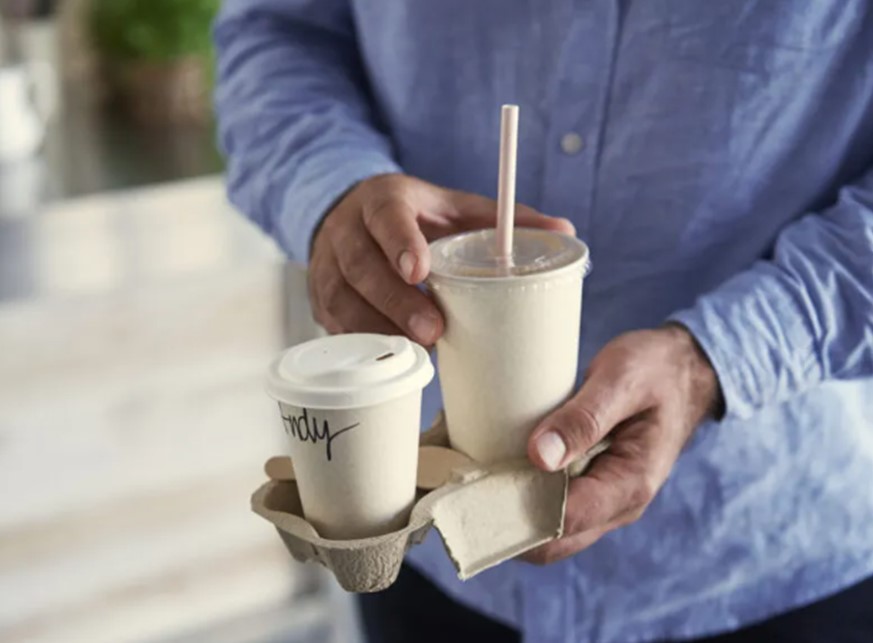
Bagasse
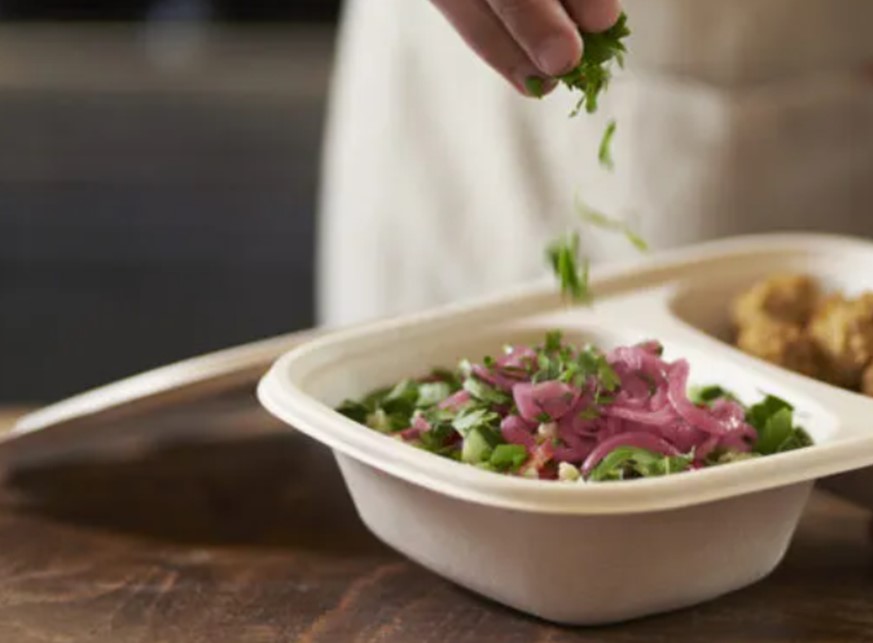
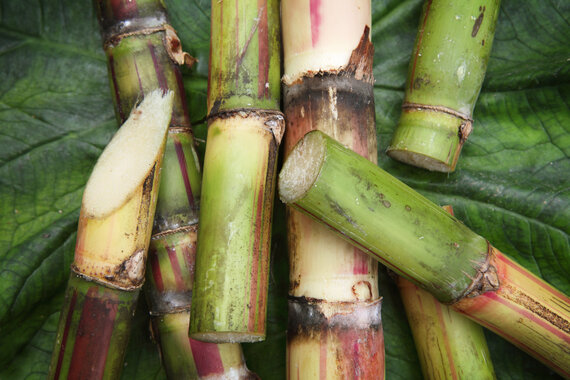
Our next alternative to plastic containers is bagasse. Bagasse is a waste product from sugar production: the crushed plant fibers remain after sugar cane has been pressed and can be processed into sturdy bowls, for example. This makes bagasse a good example of upcycling because, unlike plastic and other materials, the substance does not have to be manufactured specifically. This has a particularly positive effect on the carbon footprint. Just like the raw material for recycled cardboard, paperboard, and paper, sugar cane and sugar millet are renewable resources—a characteristic that plastic cannot boast.
Another advantage is that bagasse is plastic-free and up to 100 percent biodegradable. Many products made from this material can therefore be easily broken down in home compost or are also industrially compostable. Bagasse is becoming increasingly popular as a sustainable material. In the future, waste disposal companies will likely develop even more efficient composting processes.
Grass paper
In addition to the petroleum required, the high water consumption in plastic production also has a negative impact on the environment. In this respect, grass paper comes into question as a particularly efficient alternative to plastic. The production of one tonne of grass fibre pulp requires only two litres of drinking water. With little pollution, grass paper bags and trays can simply be disposed of in the waste paper.
In addition, the locally harvested grass comes from compensatory areas that do not compete with the enormous land requirements of animal feed production. Similar to FSC®-certified wood, there is no need to worry about forest clearance, land grabbing or other negative consequences when producing grass paper. Moreover, in the course of the purely mechanical production process, the grass fibre does not have to be chemically processed.
Wood
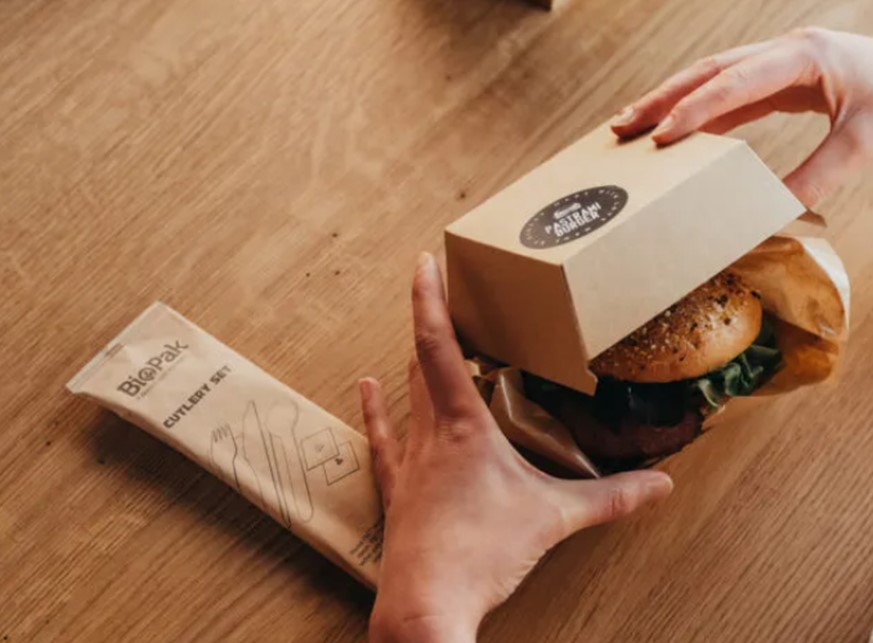
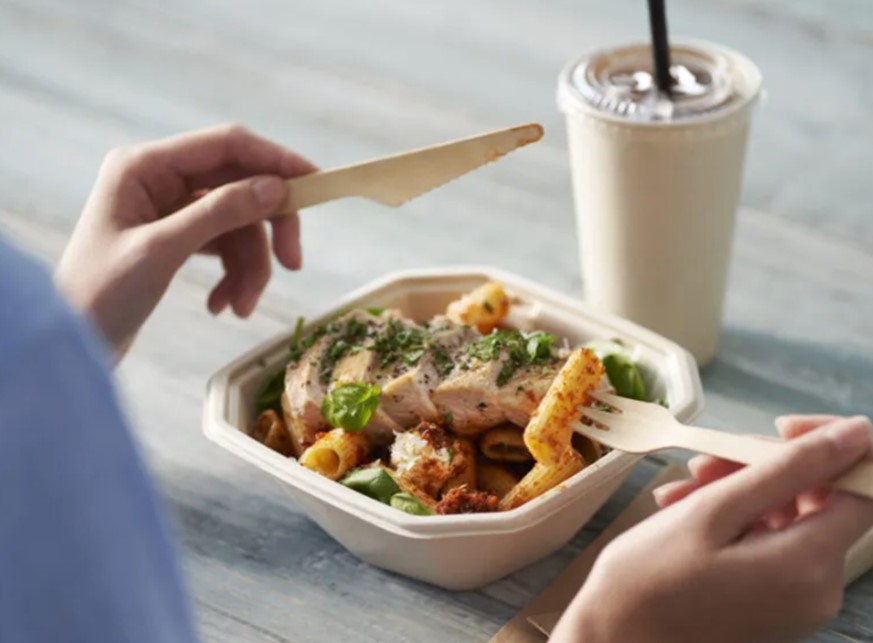
If you offer ready-to-eat dishes, you can provide your guests with plastic-free cutlery as well as suitable packaging. For environmentally friendly disposable knives, forks and spoons, birch wood is a domestic, renewable raw material. The material is stable and neutral in taste and smell. At the same time, the wood look remains recognisable and customers notice your ecological commitment.
Wooden cutlery is coated with the food-safe wax of the carnauba palm, which ensures a pleasant mouthfeel when eating. The wax is extracted from the leaves of the palm tree. It is odourless and tasteless and also absolutely harmless to the body. Whether with or without a wax layer: wooden cutlery can be disposed of in the residual waste and burns absolutely free of pollutants.
rPet
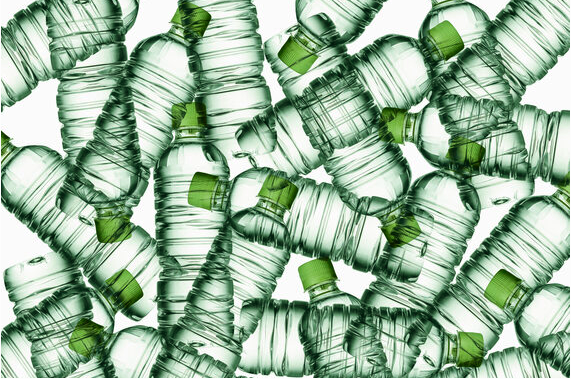
We know PET (polyethylene terephthalate) primarily as the classic material for plastic bottles (PET bottles). If the once-used plastic is reprocessed, we speak of rPET (recycled PET). Instead of simply ending up in the rubbish, the material is cleaned and shredded. With modern recycling processes, new plastic bottles and other containers can be made from 100 per cent recycled plastic. In this way, the plastic that was produced at great expense is not lost.
For the environment, the use of rPET is an enormous relief. Because compared to the production of new plastic containers, rPET production requires significantly less petroleum. Overall, the CO2 balance of rPET is up to 70 percent lower than that of new PET. After use, the recycled material can be returned to the normal recycling cycle.
FIBRE DE CANNE À SUCRE (BAGASSE)1/6
La fibre de canne à sucre compostable est un formidable exemple de valorisation des déchets. Elle est issue de matériaux naturels en excédent provenant de la production de sucre : les tiges de canne à sucre.
- Se biodégrade facilement dans des conditions de compostage contrôlées • Une fois composté, elle se transforme en terre en quelques semaines seulement
- Convient pour le compostage industriel
- Peut être triée avec les déchets alimentaires selon les réglementations locales • Certification disponible : EN13432
Après utilisation : elle peut être triée avec le compostage industriel ou le carton recyclable. Les réglementations locales en matière des déchets doivent être respectées. Consultez le service de collecte des déchets de votre région.
CARTON / PAPIER2/6
Si vous ne savez pas toujours comment reconnaître un emballage recyclable, notre réponse est simple : la plupart de nos produits en carton / papier sont fabriqués à partir de fibres certifiées FSCTM. Ils sont souvent acceptés pour le compostage ou le recyclage sous forme de pâte à papier s'ils ne sont pas contaminés par les aliments.
Les réglementations locales en matière des déchets doivent être respectées. Consultez le service de collecte des déchets de votre région.
BOIS / BAMBOU3/6
Une source renouvelable. Nous utilisons du bois de bouleau et du bambou certifiés FSCTM pour la conception de nos produits. Ces matériaux sont un choix naturel pour des produits tels que les couverts, pour lesquels la résistance et la durabilité sont importantes.
Saviez-vous que le bambou absorbe cinq fois la quantité de CO2 et produit 35 % plus d'oxygène que les autres plantes sur la même superficie ?
Les réglementations locales en matière de déchets doivent être respectées. Consultez le service de collecte des déchets de votre région.
PET RECYCLÉ (rPET)4/6
Le rPET est fabriqué à partir de bouteilles en plastique recyclées, qui pourraient sinon finir en décharge ou être brûlées comme carburant.
- En règle générale, le rPET a une empreinte carbone inférieure de 50 % à celle du plastique pur.
- Les produits BioPak rPET contiennent jusqu'à 100 % de PET recyclé.
- Le rPET que nous utilisons est régulièrement testé pour s'assurer qu'il répond aux règles de sécurité alimentaire.
- La logistique de cette chaîne d'approvisionnement durable est entièrement documentée.
- Après utilisation, les produits rPET peuvent être recyclés comme avec le plastique traditionnel.
Les réglementations locales en matière de déchets doivent être respectées. Consultez le service de collecte des déchets de votre région.
PLA / CPLA5/6
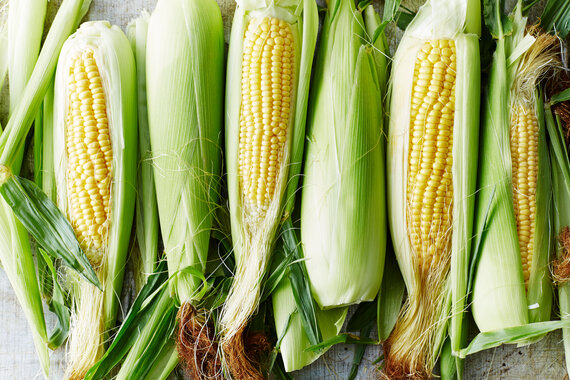
Les bioplastiques PLA et CPLA compostables sont issus d'un matériau renouvelable produit en excédent : l'amidon de maïs fermentable.
- Les bioplastiques comme le PLA et le CPLA offrent à notre monde un moyen de réduire la dépendance vis-à-vis des carburants fossiles.
- Le CPLA est chimiquement identique au PLA. La différence est qu'il est cristallisé, ce qui le rend plus robuste et résistant à des températures élevées.
- En conséquence, le CPLA peut donc résister à des températures allant jusqu'à +70 °C et le PLA jusqu'à +50 °C.
- Et une fois utilisés, que deviennent les déchets éco-emballages ? Les produits PLA et CPLA peuvent être triés avec les déchets alimentaires pour le compostage industriel, selon les réglementations locales, ou recyclés comme bioplastiques.
Les réglementations locales en matière de déchets doivent être respectées. Consultez le service de collecte des déchets de votre région.
PAPIER D'HERBE6/6
Le papier d'herbe est recyclable et extrêmement économe en ressources. L'herbe est naturellement abondantes, elle est récoltée localement et ne fait pas concurrence aux ressources utilisées pour l'alimentation animale.
- Recyclable, compostable et testé pour la tolérance cutanée,
- le papier d'herbe est produit à partir de matériaux économes en énergie : seuls deux litres d'eau sont nécessaires pour produire une tonne de matière première en fibre d'herbe.
- La production de papier d'herbe ne requiert aucun traitement chimique.
- Après utilisation, le papier d'herbe peut être trié avec le papier classique pour le recyclage.
Les réglementations locales en matière de déchets doivent être respectées. Consultez le service de collecte des déchets de votre région.
Plastic-free alternatives
Going plastic-free is easier than many people think: Thanks to modern alternatives to plastic products - made from renewable and recycled materials - out-of-home offers can already manage without plastic. In addition, ingenuity is also rewarded: there are some innovative possibilities for companies that go beyond mere plastic alternatives and improve their environmental balance in everyday life. Some restaurants even have their own vegetable gardens or self-managed composting cycles - cool ideas that go down well with customers. For the sustainable extra mile, regional and seasonal dishes are also a great option.
But what alternatives are there to plastic? What are the advantages and disadvantages of other materials? And how can they be used in the business? In this guide, we present five current plastic alternatives that make the switch to more sustainability a success.
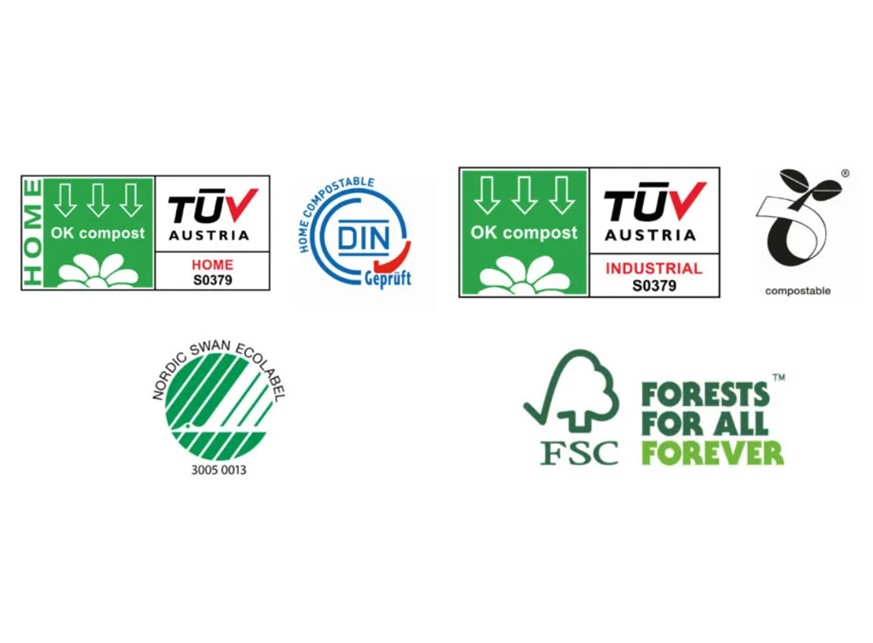
Our environmental certificates
When it comes to sustainable packaging, you can rely on our products. Certificates such as OK Compost Industrial, Seedling, OK Compost Home or the Home Compostable Label assure the compostability of our products - whether in the industrial plant or on the compost at home.
The FSC® certificate on our products guarantees the ecologically and socially responsible origin of our raw materials. Many products also meet the strict ecological requirements of the Nordic Swan Ecolabel.
Not convinced yet? You can find out more about the Duni philosophy, our materials and products in the sustainability section of our website.
We offset CO2 emissions by purchasing carbon credits to finance accredited environmental projects. In this way, we support Jiangxi Forest Conservation in China and the Rimba Raya Biodiversity Reserve in Indonesia.
Do you have any questions?
To arrange a personal consultation appointment, simply send us a short appointment request.
Sélectionnez votre pays
- België
- Danmark
- Deutschland
- España
- France
- Global
- Italia
- Nederland
- Norge
- Polska
- Schweiz
- Suomi
- Sverige
- United Kingdom
- United States
- Österreich
- Česká republika
Choisir la langue
Magasin en ligne